
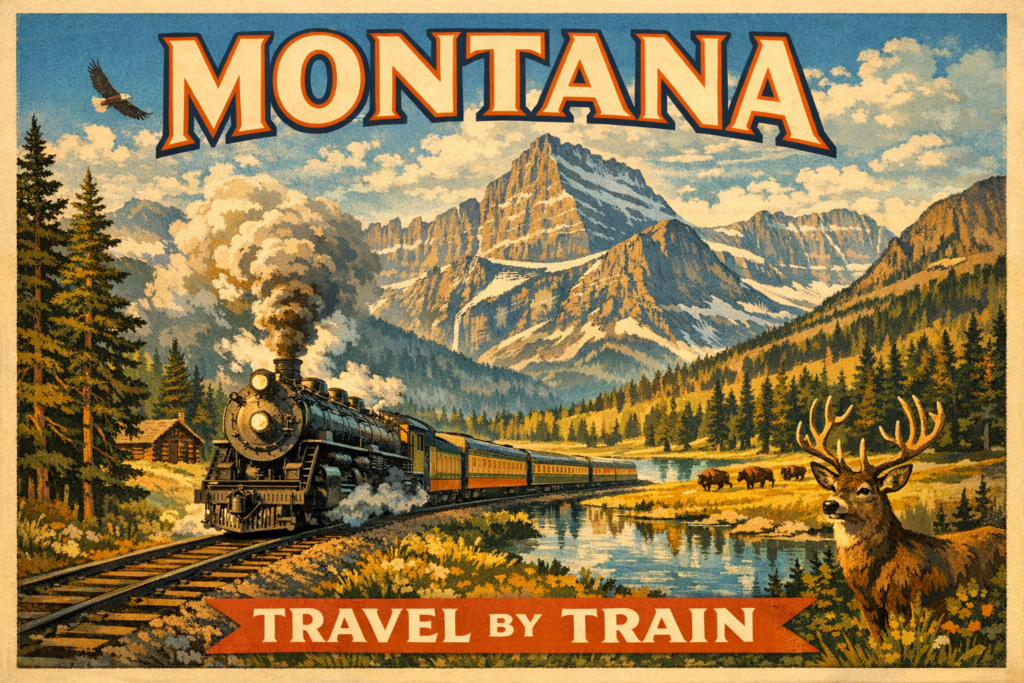
Train
Railway

From Risk Management to Statewide Connection

Montana’s railroads combine safety systems with infrastructure growth. Insurance ensures operational stability, while expanding rail lines link communities and strengthen the state’s economy.

Railway Safety and Protection

Insurance coverage reduces the financial impact of accidents and environmental risks. Through preventive planning and recovery measures, these systems help maintain continuous and secure transport.

Infrastructure and Community Growth

Rail construction connected isolated towns, encouraged trade, and advanced regional development. The expansion of rail lines turned transportation into a foundation for Montana’s progress.

Understanding Montana’s Railroad Systems

Safety, Infrastructure, and the Evolution of Rail Transport

Montana’s railroads demonstrate how coordinated safety planning and infrastructure growth built the foundation for reliable transport and statewide development.

  • Learning About Montana Travel Insurance

    Traveling to Montana offers breathtaking landscapes and unique experiences. From Glacier National Park to vibrant small towns, it is no wonder many people plan trips to this beautiful state. However, before you set out on your adventure, it is important to learn about Montana travel insurance. Understanding your options can help protect your trip investment and give you peace of mind. Whether you are exploring the outdoors or attending a special event, knowing the basics makes a big difference. In this article, you will discover essential information about Montana travel insurance. You will also find practical tips for selecting the right policy. With a little preparation, you can focus on creating lasting memories in the Treasure State.

    Understanding the Basics of Montana Travel Insurance

    Travel insurance in Montana works much like travel protection found in other states. Many travelers purchase insurance to safeguard their trip against unexpected events. Incidents like sudden illness, flight cancellations, or lost luggage can disrupt your plans. Therefore, a good policy helps you manage such risks. When planning a trip to Montana, it is wise to understand how travel insurance can play an important role.

    Montana travel insurance typically covers both in-state and out-of-state visitors. Some people mistakenly believe only international travelers need insurance, but domestic trips can involve risks as well. For instance, sudden weather changes or transportation delays can occur anywhere, including Montana. Hence, having coverage gives you financial security if emergencies arise. Providers often offer several policy types to match different travel needs.

    Understanding the specific terms and conditions of your policy is crucial before purchasing. Insurance details, including coverage limits and exclusions, can vary widely between companies. Always read the fine print and ask questions if something is unclear. Since travel plans may change suddenly, flexibility in your insurance policy can be very beneficial. By learning the basics, you take the first step toward a more secure and enjoyable Montana trip. Remember, a little research goes a long way in protecting your travel investment.

    Key Benefits of Choosing Montana Travel Insurance

    Choosing Montana travel insurance provides several important benefits for travelers. One of the most significant advantages is financial protection against unexpected trip cancellations. If your trip is cut short or delayed due to illness or severe weather, your policy can help reimburse your prepaid expenses. Because Montana is known for unpredictable weather, this can be especially valuable for visitors.

    Additionally, travel insurance often includes medical coverage for emergencies. If you become ill or injured while in Montana, your policy can cover hospital stays, doctor visits, or even medical evacuation. Such coverage is vital since your regular health insurance may not cover all expenses when you are far from home. While travel insurance cannot prevent accidents, it can definitely ease the burden if something does go wrong.

    Another benefit of travel insurance for Montana involves assistance services. Many policies offer 24/7 support to help you manage emergencies during your trip. Whether you need help finding a doctor or replacing lost travel documents, support is just a phone call away. These services can make a stressful situation more manageable. When you add up the advantages, you will see why so many travelers consider insurance a smart choice for Montana adventures.

    Common Coverage Options for Montana Travelers

    Travel insurance policies for Montana usually provide a range of coverage options. One of the most popular options is trip cancellation and interruption coverage. This type of protection reimburses you for non-refundable expenses if you must cancel or interrupt your trip for an approved reason. Reasons can include illness, severe weather, or a family emergency, and having this coverage can prevent major financial loss.

    Medical coverage is another essential option, especially for travelers exploring the great outdoors. Accidents can happen while hiking, skiing, or sightseeing in remote areas. Travel insurance often covers emergency medical treatment and transportation, which is crucial in a state with vast wilderness areas like Montana. Furthermore, some policies include coverage for pre-existing conditions if you meet certain requirements.

    Baggage protection is also commonly included in travel insurance plans. Delayed, lost, or stolen luggage can quickly ruin a trip. Insurance can reimburse you for essentials until your belongings are returned or replaced. Many policies even cover personal items such as electronics or sports equipment. Because Montana trips often involve outdoor gear, this feature is particularly useful for active travelers.

    How to Select the Right Policy for Your Montana Trip

    Selecting the right travel insurance policy for your Montana trip requires careful consideration. Start by evaluating the specific activities and destinations in your itinerary. If you plan to visit remote areas or participate in adventure sports, you may need extra medical or evacuation coverage. Policies vary, so compare options to find one that matches your needs.

    Next, consider the total value of your trip, including flights, accommodations, and tours. Choose a policy amount that covers your investment to avoid losing money if you must cancel or cut your trip short. Also, look for flexibility in your policy, such as the ability to cancel for any reason. Sometimes, paying a little more for added flexibility can save you hassle and money later on.

    Finally, always read customer reviews and check the reputation of insurance providers before purchasing. Reliable customer service can make a big difference if you need help during your trip. You should also confirm what documentation you need to file a claim. By taking these steps, you will increase your chances of having a smooth and protected travel experience in Montana. With the right policy, you can fully enjoy everything Montana has to offer.

    Conclusion

    Planning a trip to Montana is exciting, but it is always wise to consider travel insurance before you go. By understanding the basics, you set a strong foundation for protecting your trip. Exploring the key benefits shows why so many travelers choose to invest in coverage, especially when facing unpredictable weather or potential medical emergencies. Familiarizing yourself with common coverage options can help you tailor your policy to match your itinerary, whether you are embarking on outdoor adventures or attending special events. Selecting the right policy requires some research, but it is a step worth taking for peace of mind. Comparing plans, reading reviews, and asking questions are all part of making an informed decision. Insurance may not prevent mishaps, but it can certainly soften their impact. With the right coverage, you can travel with confidence and focus on enjoying Montana’s natural beauty.

  • Understanding How Railroads Protect Themselves With Insurance

    Railroads play a crucial role in transporting goods and people across the country. Due to the size and speed of trains, accidents can have severe consequences. For that reason, understanding how railroads protect themselves with insurance is essential for everyone, from passengers to industry professionals. Railroads face many risks every day, and insurance provides a safety net when things go wrong. Understanding how insurance works for railroads can help people appreciate the careful planning that goes into each train trip. In the following article, you will learn how railroads insure against accidents and other disasters. You will also learn about the types of risks railroads manage and how they handle claims. Finally, you will get a glimpse into the future of insurance in the railroad industry.

    The Basics of Railroad Insurance Coverage Explained

    Railroad insurance serves as a safeguard against the financial consequences of accidents and unforeseen events. Many different types of insurance policies are available, and railroads often rely on a specialized mix to cover their unique exposures. Policies can protect against property damage, injuries to workers, public liability, and environmental harm. Because railroad operations involve heavy equipment and hazardous materials, insurance needs are complex and require specialized coverage. Very few other industries face such a wide range of possible incidents. Without insurance, a single accident could threaten a railroad company’s survival. Additionally, insurance enables railroads to meet the legal requirements established by governments and regulatory agencies.

    Railroad insurance usually covers both first-party and third-party claims. First-party coverage helps railroads pay for damage to their own trains, tracks, and equipment. Third-party liability insurance, on the other hand, protects railroads if they are found responsible for injuries to people or damage to someone else’s property. Both types of coverage are necessary because accidents can cause harm both inside and outside the railroad’s own operations. Many insurance companies also offer specialized products designed explicitly for the railroad industry. For example, environmental liability coverage protects against spills of fuel or chemicals, which could have lasting effects on communities.

    Railroads also purchase insurance to cover business interruptions resulting from accidents or disasters. When a train derails or equipment is damaged, it can take time to restore service. During that period, the railroad might lose revenue. Business interruption insurance helps cover these losses, which allows railroads to recover more quickly. As a result, insurance does more than just pay for repairs or settlements. It also keeps railroads running smoothly and helps them bounce back after tough incidents. As railroads face increasing risks, insurance remains a crucial component of their strategy for maintaining safety and financial stability.

    Common Types of Risks Faced by Railroads Today

    Every day, railroads encounter a wide variety of risks that could lead to accidents or financial losses. Derailments are one of the most serious threats, often resulting from track issues, equipment malfunctions, or operator errors. Additionally, collisions at railroad crossings continue to be a significant concern, particularly in densely populated areas or where visibility is limited. Environmental hazards also pose substantial risks, as trains sometimes carry chemicals or fuel that could spill during an accident. Weather events, including floods, snowstorms, and high winds, can cause track damage and disrupt service.

    Vandalism and theft are also growing problems for railroads in many regions. People sometimes trespass on tracks or attempt to steal valuable materials, which can lead to dangerous situations and potential injuries. Cybersecurity has become another area of concern, as railroads adopt more digital technologies. Hacking attempts or system failures could interrupt operations or even create safety hazards. Because railroads depend on complex networks of signals and communication systems, any disruption can be costly and dangerous.

    Employee safety represents another significant risk for railroads. Train crews, maintenance workers, and other staff face hazards every day on the job. Accidents can result in injuries, lost wages, and expensive workers’ compensation claims. Railroads must also consider their legal responsibility to passengers and the public in the event of an incident. Many accidents lead to lawsuits or regulatory investigations, which in turn add to the costs. Given these many risks, insurance helps railroads stay prepared for whatever challenges arise on the tracks.

    How Railroads Choose Their Insurance Policies

    Railroads take a careful and strategic approach when selecting insurance policies. The process usually begins with a detailed risk assessment. Safety managers and insurance experts examine past accidents, current operations, and possible hazards. After analyzing the risks, railroads work with insurance brokers to identify the right types and amounts of coverage. Because each railroad faces unique challenges, policies are often customized. Some railroads may focus more on property coverage, while others prioritize liability or environmental protection.

    Price is an essential factor, but railroads also look at the reputation and experience of insurance providers. They seek partners who understand the industry and can respond promptly when accidents occur. Often, large railroads choose to spread their risks by purchasing coverage from several different insurers. Smaller companies may pool their resources through industry groups or buy insurance as part of a larger package. With numerous options, railroads must strike a balance between cost, coverage, and service.

    Railroads also regularly review their insurance plans to stay up-to-date with changing risks. New technologies, regulations, or routes can all affect insurance needs. By updating their coverage, railroads make sure they are not left vulnerable as their operations evolve. Additionally, many railroads invest in safety improvements to reduce their insurance premiums. Better training, advanced equipment, and regular inspections all help reduce accidents and claims. Ultimately, careful policy selection is a key part of every railroad’s risk management plan.

    The Claims Process After a Railroad Accident

    When a railroad accident occurs, the claims process begins almost immediately. First, railroad staff report the incident to their insurance company and gather as much information as possible. Photos, witness statements, and maintenance records all help document what happened. Insurance adjusters then investigate the accident to determine the cause and estimate the cost of repairs or compensation. During this stage, good communication between the railroad and insurer is essential.

    After the investigation, the insurance company decides whether the policy covers the accident and how much money will be paid out. Sometimes, claims can be resolved quickly, especially for minor incidents. In more complex cases, such as major derailments or lawsuits, the process can take longer. Lawyers and experts may need to get involved, and government agencies could also conduct their own inquiries. Throughout the process, railroads work closely with their insurers to provide updates and answer questions.

    Once a claim is approved, the insurance company pays for repairs, medical bills, legal costs, or other covered expenses. Railroads use these funds to fix tracks, replace equipment, or settle with injured parties. Even after a claim is closed, the experience often leads to changes in safety practices or insurance policies. By learning from each incident, railroads aim to prevent similar accidents in the future. Ultimately, a smooth claims process enables both railroads and insurers to recover quickly and maintain uninterrupted operations.

    The Future of Insurance in the Railroad Industry

    As technology changes and new risks emerge, the railroad industry’s approach to insurance continues to evolve. Many railroads are adopting advanced safety systems, such as automated braking and real-time monitoring. These innovations can lower the number of accidents and help reduce insurance costs. At the same time, new threats, such as cyberattacks, require updated insurance products. Insurers are working with railroads to develop coverage for digital risks, data breaches, and system failures.

    Climate change is another growing concern for railroads and their insurers. Extreme weather events have become increasingly common, resulting in more frequent flooding, fires, and storm damage. As a result, insurance companies must reassess how they price coverage and determine which risks to include. Some might introduce new policies that focus on resilience and disaster recovery. Meanwhile, railroads are building stronger infrastructure and updating their emergency plans to better prepare for and respond to natural disasters.

    The future of railroad insurance will likely involve even closer partnerships between railroads and insurers. Both sides will need to share information, invest in safety, and respond quickly to new challenges. Regulations may also change, requiring more comprehensive insurance coverage or better risk management practices. The industry’s commitment to safety and innovation will help shape the insurance products of tomorrow. Everyone involved will need to remain flexible and be prepared to adapt. As railroads continue to connect communities and drive economic growth, insurance will remain a vital part of their success.

    Conclusion

    Understanding how railroads protect themselves with insurance reveals the care and planning that goes into every train journey. Railroads face a unique set of risks, including derailments and cyber threats, and insurance helps them mitigate the financial impact of accidents. By selecting the right mix of policies, railroads can effectively cover property damage, injuries, environmental harm, and other related risks. The claims process ensures that repairs and compensation happen as quickly as possible, helping railroads recover from setbacks. As technology advances and new risks emerge, both railroads and insurers must adapt to protect the industry’s future. Innovation in safety measures and insurance products will enable trains to run safely and efficiently. Climate change and digital threats will require new thinking and flexible solutions. Through strong partnerships and ongoing investment in risk management, railroads can continue to serve communities with confidence. Insurance is not just a safety net; it is a foundation for growth and resilience. With careful planning and cooperation, the future of railroad insurance looks both secure and promising.

In Case You Missed It