
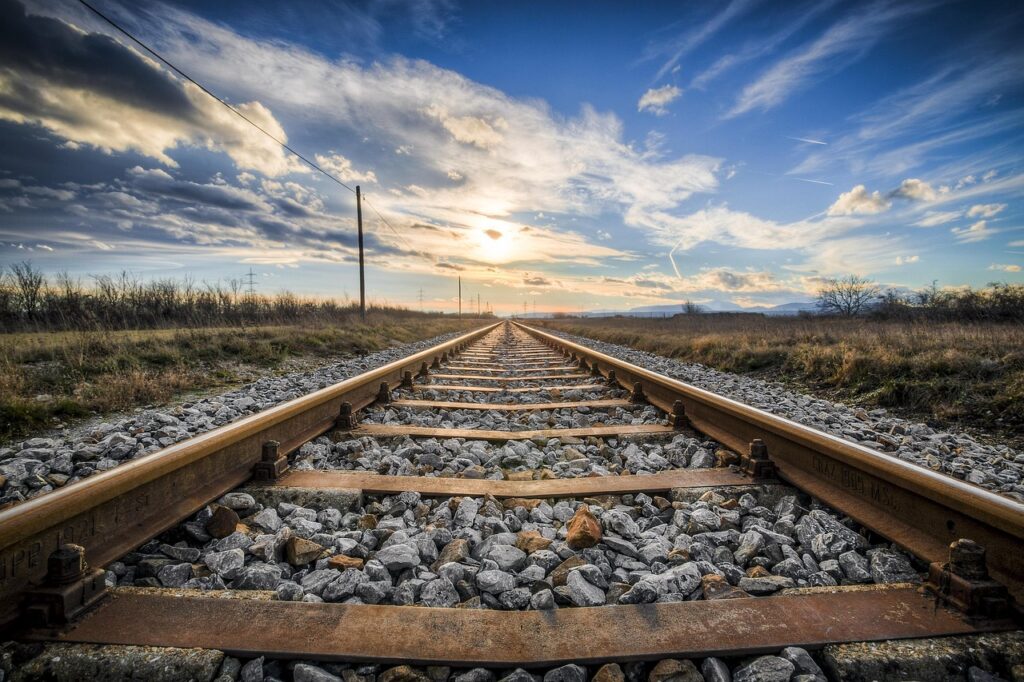
Train
Railway

From Risk Management to Statewide Connection

Montana’s railroads combine safety systems with infrastructure growth. Insurance ensures operational stability, while expanding rail lines link communities and strengthen the state’s economy.

Railway Safety and Protection

Insurance coverage reduces the financial impact of accidents and environmental risks. Through preventive planning and recovery measures, these systems help maintain continuous and secure transport.

Infrastructure and Community Growth

Rail construction connected isolated towns, encouraged trade, and advanced regional development. The expansion of rail lines turned transportation into a foundation for Montana’s progress.

Understanding Montana’s Railroad Systems

Safety, Infrastructure, and the Evolution of Rail Transport

Montana’s railroads demonstrate how coordinated safety planning and infrastructure growth built the foundation for reliable transport and statewide development.

  • My Honest Review of Gainsco Auto Insurance

    I signed up for Gainsco Auto Insurance because I needed a basic policy at a price I could handle. At the time, I was comparing several companies, and I wanted something simple and affordable. Also, I did not need many extra features, so Gainsco caught my attention right away. After reading reviews and checking rates, I decided to give it a real try. Since I have now spent enough time with the company, I can share a fair and honest opinion. Overall, my experience had both strong points and weak spots, and I think both deserve attention.

    Why I Chose Gainsco for My Car Insurance

    At first, I looked at Gainsco because the rates seemed lower than some bigger brands. Also, I had a limited budget, so the monthly cost mattered a lot to me. While many insurers pushed bundle deals and add-ons, Gainsco felt more focused on basic car coverage. As a result, I saw it as a practical choice rather than an exciting one. Even so, practicality was exactly what I needed at that point. So I moved forward and spent more time reviewing the policy options.

    Another reason I chose Gainsco was the availability for drivers who may not get the best offers elsewhere. In my case, I wanted an insurer that did not make the process feel impossible or judgmental. Also, I noticed that Gainsco often serves drivers who need state minimum coverage at a manageable rate. Because of that, the company seemed more approachable than some larger competitors. Still, I knew a lower price could sometimes mean fewer extras or slower service. So I went in with cautious expectations.

    I also liked that Gainsco did not try to overwhelm me with too many choices. Instead, the company seemed to present the core coverage straightforwardly. While that simplicity helped me decide faster, it also made me wonder what I might be missing. Even then, I preferred a clear setup over flashy marketing language. As I compared the final numbers, Gainsco remained one of the better fits for my situation. Therefore, I chose the policy because it balanced cost, access, and basic protection.

    Getting a Quote Was Simple but Not Perfect

    When I started the quote process, I found the website fairly easy to use. Also, I took steps in a logical order, so I did not feel lost. As I entered my vehicle and driver details, the system gave me a decent sense of progress. Because of that, I finished the first part faster than I expected. Still, I would not call the process flawless or especially polished. In some places, the wording felt a little plain and unclear.

    At one point, I had to double-check a few questions because the form did not explain them very well. Also, I felt that some parts could have used better examples for first-time shoppers. While I eventually figured everything out, I did spend more time than I wanted on small details. As a result, the process felt simple on the surface but slightly rough underneath. Even so, I was still able to get a quote without needing much outside help. So I would say the experience was good enough, but not especially smooth.

    After I received the quote, I liked that the price felt competitive for my needs. Also, I could clearly see the basic coverage limits to make a quick comparison. However, I did wish the quote page gave more context about what each coverage actually meant in real life. Because insurance terms can feel confusing, clearer explanations would have helped a lot. Still, the company delivered the key information I needed to make a decision. Therefore, I would rate the quote experience as convenient, though a bit basic.

    What Gainsco Covers and What It Leaves Out

    From what I saw, Gainsco offers the standard types of auto insurance that many drivers need. For example, I found liability coverage, and I could also look at options for comprehensive and collision coverage depending on availability. Also, the policy gave me a workable foundation for staying legal on the road. Because I mainly wanted essential protection, that part met my expectations. Still, the coverage menu did not feel as broad as that of some major insurers. So anyone looking for lots of extras may feel a bit limited.

    I noticed that Gainsco seems best suited for people who want straightforward auto coverage rather than a long list of perks. Also, I did not see the same level of special features that some larger companies promote heavily. While that helped keep the product simple, it also meant fewer chances to customize every detail. As a result, I had to accept a more basic policy structure than I might get elsewhere. Even so, basic is not always bad if the price matches the value. Therefore, I think Gainsco works best for drivers with simple insurance needs.

    One thing I learned quickly is that “cheap” coverage can leave gaps if you do not read the policy carefully. So I paid close attention to deductibles, limits, and optional protections before I finalized anything. Also, I realized that not every policy includes the extra help some drivers expect after an accident. Because of that, I would strongly suggest reviewing every line before you buy. While Gainsco covered the essentials I needed, I would not assume it covers everything automatically. In short, the company offers enough for many drivers, but you need to check the fine print.

    My Experience With Claims and Customer Support

    When I had to deal with customer support, my experience was mixed rather than terrible. Also, I was able to reach someone, which already mattered a lot to me. However, the speed of the help varied depending on the issue and the timing. At times, I got clear answers from representatives who sounded professional and patient. At other times, I felt like I had to repeat information more than I should have. So the service worked, but it did not always feel consistent.

    During the claims side of the process, I found that patience was necessary. Also, I learned that keeping my documents organized made every conversation easier. Because I stayed proactive, I avoided some confusion and delays that could have become worse. Still, I would have liked more frequent updates without having to ask each time. While the claim did move forward, the process felt slower than I had hoped. Therefore, I came away feeling that the system was functional but not especially fast.

    I do want to be fair, because not every part of the experience was negative. In fact, a few support interactions went smoothly and solved my problem without much stress. Also, when I spoke with the right person, I felt heard and respected. As a result, I do not think Gainsco has bad support across the board. However, I do think service quality can depend too much on who handles your case. So if you choose Gainsco, I suggest staying organized, asking direct questions, and following up often.

    Final Thoughts on Gainsco Auto Insurance

    After spending time with Gainsco, I see it as a practical insurance company for a specific type of driver. Also, I think it makes the most sense for people who care more about affordability than premium features. While the company is not fancy, it does provide a basic path to legal, usable coverage. Because of that, I can understand why many budget-conscious drivers consider it. Still, anyone expecting a highly polished digital experience may feel underwhelmed. So my opinion is positive in some areas, but measured overall.

    I would not say Gainsco is the best auto insurer for every driver. However, I would say it can be a reasonable option for people with simple needs and tight budgets. Also, the quote process was manageable, even with a few rough spots. When I looked at coverage, I found enough to meet basic expectations, though not many standout extras. During support and claims interactions, I saw both helpful service and frustrating inconsistency. Therefore, I think the company performs adequately, but it leaves room for improvement.

    If you are comparing insurers, I think Gainsco deserves a spot on your list, especially if price is your top concern. Also, I believe you should compare its policy details very carefully with those of other companies before you commit. While the low cost may look attractive, the overall value depends on the coverage and service you actually need. Because every driver’s situation is different, a single cheap quote should not be the only factor. Even so, I do not regret trying Gainsco, and I understand its appeal. In the end, I would describe Gainsco as affordable, basic, and decent, but not exceptional.

    Summary

    In the end, my honest review of Gainsco Auto Insurance lands somewhere in the middle. Overall, I appreciated the affordable pricing and the simple approach to coverage. However, I also noticed a few weak points in the quote process, the claim experience, and the consistency of customer support. Because of that, I think Gainsco works better for some drivers than for others. Also, I would more strongly recommend it to people who want basic coverage and need to control monthly costs. While the company may not offer the most polished experience, it can still serve a real purpose. So if budget matters more than extra features, Gainsco may be worth a look. Still, I would advise reading every detail of the policy before signing up. As with any insurer, the best choice depends on your needs, your driving record, and your expectations. Therefore, my final view is simple: Gainsco is a solid budget option, but you should go in with your eyes open.
  • How Montana Railroads Transformed Transportation in the State

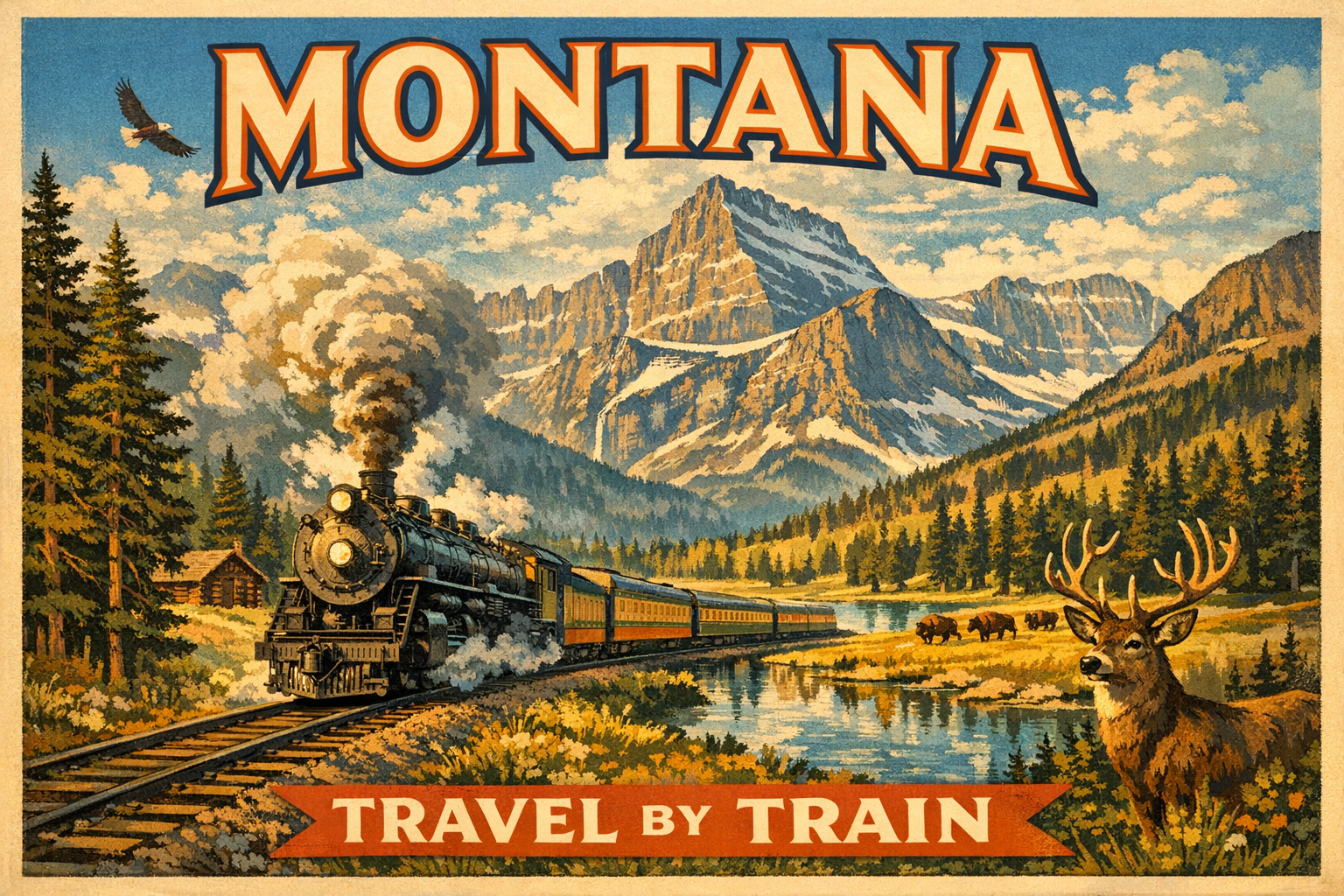
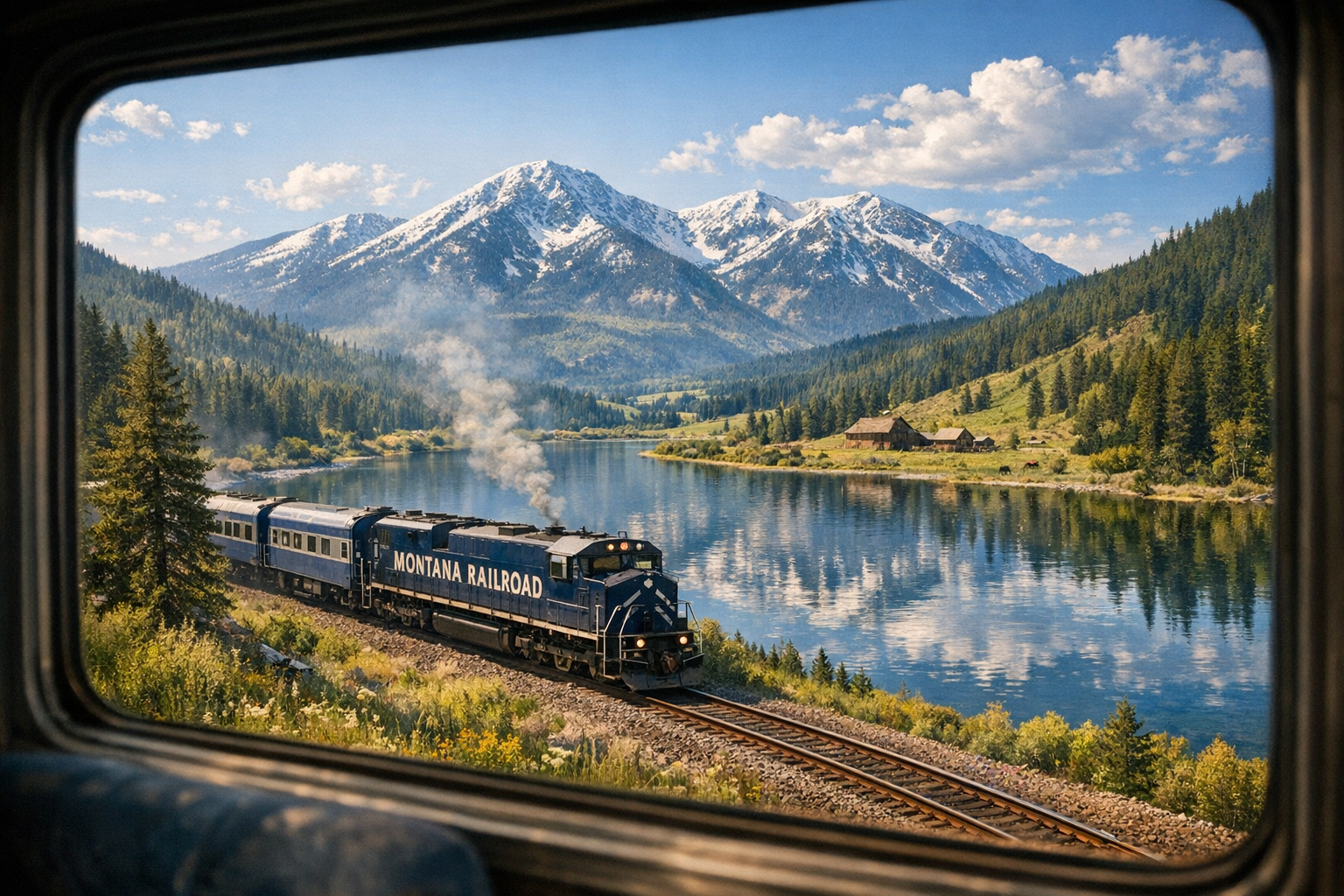
    Montana’s vast and rugged landscapes once made travel slow and difficult. When railroads first emerged, they brought with them the promise of faster and more reliable transportation. As a result, lives changed all across the state, and Montana’s future took on a brand new direction.

    The Early Days of Montana Railroads and Their Promise

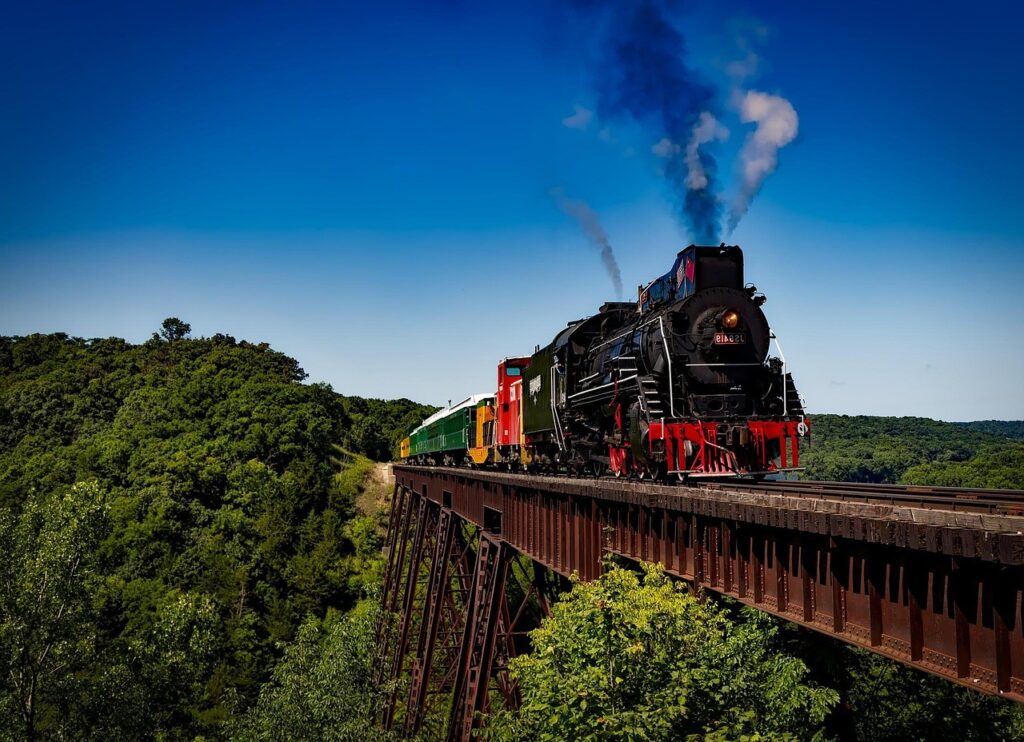
    When railroads first arrived in Montana, many people felt excited about the future. Before trains, travel across the state relied on horses, wagons, and stagecoaches, which could be slow and dangerous. Suddenly, steam engines made it possible to move people and goods much faster. Towns that were once days away from each other became connected in a matter of hours. Because of the arrival of railroads, families looked forward to easier journeys and safer travel. Entrepreneurs also saw new business opportunities. In many ways, the promise of railroads gave Montana hope for a brighter tomorrow.

    As railroad companies began laying tracks, leaders in Montana recognized the importance of these lines. They knew that with better transportation, the state could grow stronger. Montana’s remote communities, which once felt isolated, could now look forward to regular shipments of mail and supplies. The railroads also allowed people to visit relatives or conduct business without worry. Even small towns became more active and welcoming, since visitors arrived more often. Over time, the railroads became a symbol of progress and possibility.

    People in Montana also believed that railroads would put the state on the map. Before the arrival of the rails, most trade and travel bypassed Montana. With the new lines, though, the state became a vital link in the nation’s network. Every train that passed through delivered goods, visitors, and ideas. As a result, Montana’s importance to the country began to rise. Railroads truly brought a sense of connection and pride to the people living there.

    Building the Tracks: Connecting Towns and People

    Building railroad tracks across Montana was a massive undertaking, but workers persevered through challenging conditions. Crews had to cross mountains, rivers, and vast prairies, so the job was never easy. Many communities watched eagerly as tracks inched closer to their borders. Every spike driven into the ground meant new opportunities for connection. When towns welcomed the railroad, people gathered in large groups to celebrate the occasion. Throughout the state, the arrival of the railroad marked a significant moment in local history.

    As railroads linked more towns, travel became much easier for everyone. People could now visit friends and family in neighboring communities without having to undertake long, risky journeys. Students traveled to better schools, and doctors reached patients in faraway places. Businesses also benefited because they could ship products quickly and reliably. Along with goods, new ideas and cultures also traveled on the trains. The railroad lines acted as bridges between old neighbors and new friends.

    The construction of railroads also drew people from all over the world to Montana. Workers came looking for jobs, and their families often followed. Towns near the tracks grew quickly, filling with new faces and fresh energy. Schools and shops opened to serve these growing populations. Each new connection created by the railroad brought Montana’s many communities closer together. Over the years, the state evolved into a patchwork of lively, interconnected towns.

    Economic Growth Fueled by Efficient Rail Transport

    Montana’s economy underwent a dramatic transformation once the railroads arrived. Before trains, farmers and ranchers struggled to send their products to distant markets. The railroads allowed them to ship cattle, wheat, and other goods across the country. As a result, local businesses grew stronger and more profitable. Industries like mining also expanded rapidly, as trains could easily haul heavy loads of ore. Rail transport, therefore, became the backbone of Montana’s economic boom.

    Because the railroads made shipping faster and cheaper, investors saw Montana as a smart place to build new businesses. Factories and warehouses sprang up along the rail lines. Small towns grew into bustling trade centers almost overnight. Goods from the East Coast and beyond arrived in Montana’s stores, giving people more choices than ever before. As communities prospered, more people moved in to take advantage of new jobs and opportunities. The efficient movement of goods and resources made the state an attractive destination.

    With the arrival of railroads, Montana’s natural resources gained national attention. Timber, minerals, and livestock traveled safely and swiftly to buyers far away. The state’s products filled markets in places like Chicago and New York. As Montana’s reputation grew, so did its wealth and influence. The railroads, in many ways, unlocked the state’s full economic potential. Everyone, from small farmers to big business owners, benefited from efficient train service.

    Overcoming Challenges in Montana’s Vast Landscape

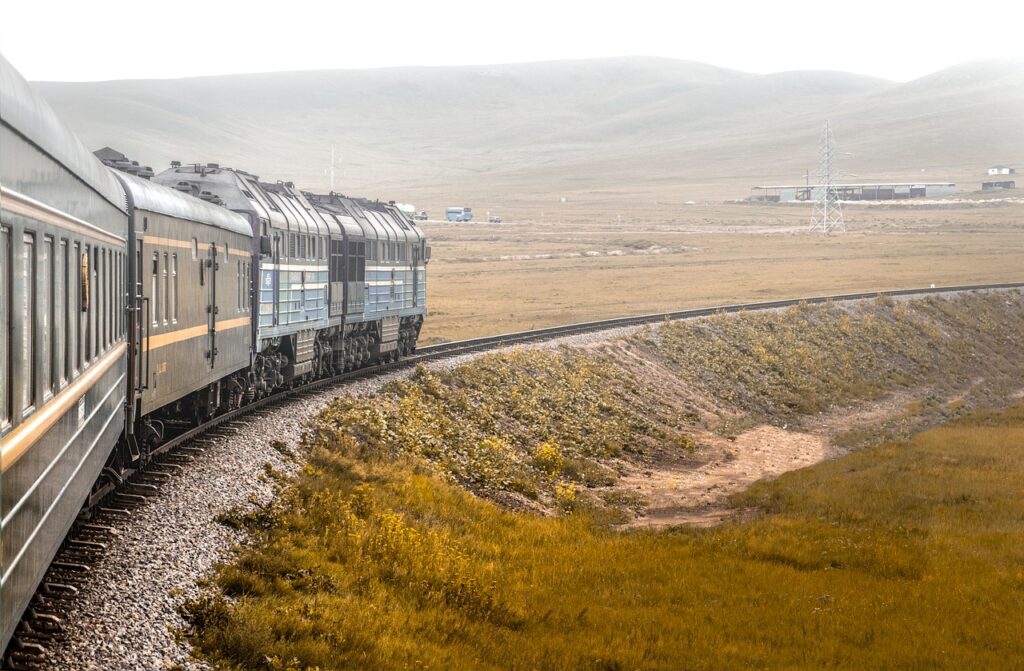
    Montana’s size and geography presented serious challenges for railroad builders. Workers had to cross high mountains, deep valleys, and fast rivers. Each obstacle required clever solutions and hard work. Engineers built tunnels through rocky hills and raised bridges over wide water crossings. Even when snowstorms and harsh weather struck, crews pressed forward with determination. Every mile of track they laid brought the dream of connection closer to reality.

    Due to the rugged landscape, workers frequently faced danger and hardship. Accidents happened, and supplies sometimes ran low in remote areas. Despite these problems, the promise of a better future kept everyone moving. Communities along the route supported railroad crews, offering food and shelter when needed. The people of Montana understood that each challenge overcome meant greater benefits for all. The success of the railroad depended on both skillful planning and the hardworking spirit of those involved.

    Even after the railroad laid the tracks, maintaining them remained a constant challenge. Harsh winters threatened to block trains with snow and ice. Floods and landslides sometimes damaged the rails, resulting in delays and necessitating repairs. To keep trains running, workers braved the elements year-round. Their efforts kept communities connected and ensured supplies continued to flow. The struggle against Montana’s vast landscape became a source of pride and unity for everyone involved.

    Lasting Impact of Railroads on Montana’s Transportation

    Railroads permanently changed how people and goods moved across Montana. Before trains, travel took days or even weeks. After the arrival of railroads, people could journey across the state in just a few hours. The rail network made emergency travel, family visits, and business trips much less stressful. Due to the development of railroads, Montana became more accessible to the rest of the country. As a result, the state experienced faster growth and greater opportunity.

    Although cars and airplanes eventually became popular, the importance of railroads never faded. Many industries continued to rely on trains to ship large or heavy goods. Some towns still rely on rail lines as their primary connection to the outside world. Trains also helped keep Montana’s history alive, as old depots and tracks became part of local landmarks. Even today, railroads carry freight and bring visitors to Montana’s scenic spots. The tracks laid so many years ago continue to shape the way people live and work.

    Montana’s railroads left a mark that can still be seen everywhere. Families remember the excitement of catching the train, while businesses celebrate the benefits of fast shipping. Railroads brought together people from diverse backgrounds and helped build lasting communities. The state’s rich history owes much to the brave workers and leaders who built the tracks. Every mile of rail helped connect Montana to the rest of the country and the world. The legacy of the railroads lives on through the strong, connected communities that make Montana unique.

    Conclusion

    The story of Montana’s railroads is one of hope, hard work, and transformation. By linking distant communities, the railroads changed daily life for everyone in the state. People gained new freedom to travel, learn, and do business. As a result, the economy blossomed and towns flourished. Overcoming natural obstacles took courage and teamwork, yet the rewards were worth the struggle. Today, Montana’s landscape still bears the marks of those early tracks, reminding everyone of their lasting impact. Railroads connected more than places; they also brought people and ideas together. Because of this, Montana became a state where opportunity and connection thrived. The legacy of the rails continues to inspire both residents and visitors alike. In every corner of Montana, the spirit of the railroads still moves people forward.

In Case You Missed It